Safer Internet Day
Resource type: Event
Price band: Free
Key stage: KS1, KS2, KS3, KS4, KS5
Region(s): All of UK
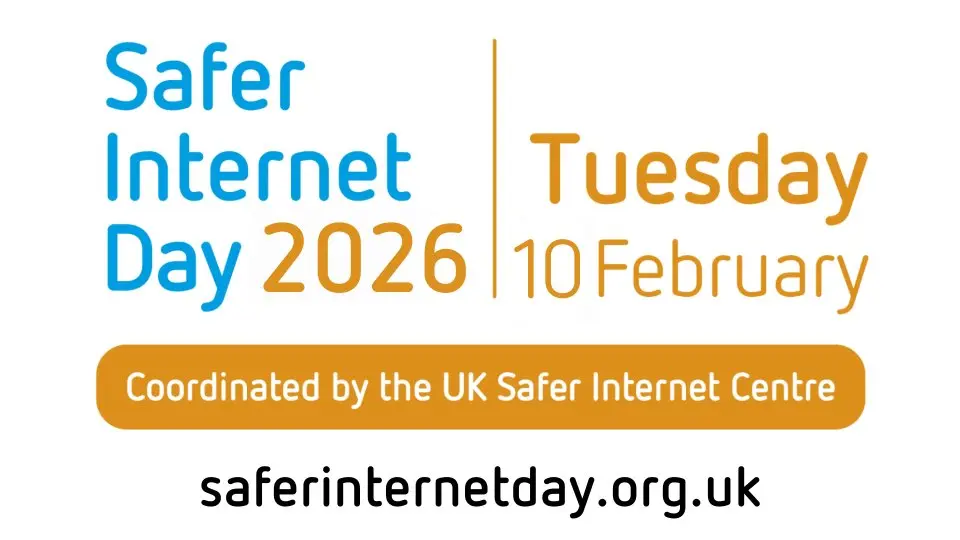
Safer Internet Day is dedicated to promoting the safe, responsible and positive use of digital technology for children and young people. Safer Internet Day 2027 will take place on the 9th February, with celebrations and learning in the UK based around the theme ‘Reflect on tech: exploring digital wellbeing and our relationship with technology’. As concerns about the impact of the internet and technology on children’s wellbeing continue to grow and gain evidence, Safer Internet Day provides key opportunities for conversation and education about young people’s use of all technology, including social media.
The UK Safer Internet Centre provides access to a range of supporting resources for primary and secondary schools. Resources for 2026 included:
- Teaching resources for Safer Internet Day, including assembly presentations and activities tailored to each key stage. Also available in Welsh and Irish language.
- Quizzes for young people aged 7-11 and 11-14 to test their knowledge and understanding of how to manage their online activities.
- Guidance and resources to help schools develop their online safety curriculum.
- Bespoke in-person and online training for teachers, parents and young people.
- Social media guides with information and advice for each of the major social media platforms and apps.
Cost: Safer Internet Day teaching resources are free to download. Training costs available on request.
About the UK Safer Internet Centre: The UK Safer Internet Centre is formed of three charities: Childnet International, Internet Watch Foundation and South West Grid for Learning. Established in 2011, it is a leading global partnership that works to identify online threats and to provide advice, resources, education and interventions that help make the internet a safe place for everyone.
Further resources:
Watch and listen
- A Live Lesson aimed at pupils aged 7-11 is usually a key aspect of the day. Further details to be realeased.
- Explore the range of BBC Teach internet safety resources for primary and secondary schools.
Get involved
- Read The Female Lead Society’s #DisruptYour Feed research on social media usage among teenage girls and encourage students to follow people that inspire them, help them develop different interests and make them feel empowered with their suggested list of positive role models.
- Explore the Digital Citizenship and AI Literacy resources from Common Sense Education. Designed to empower primary and secondary learners to think critically and take ownership of their digital lives, the resources are free to access and align with the Education for a Connected World framework.
Teaching and learning
- Digital Matters provides free teaching packs that include lesson plans, presentation slides and optional handouts to support a range of online safety topics including cyberbullying, misinformation and password security. The resources are suitable for pupils aged 9-11 and can be used to support the curriculum in England, Wales, Scotland and Northern Ireland. There are also resources for parents to use at home. Free to access with registration.
- Discuss screen time, online safety, cyber bullying and the dangers of social media with pupils aged 7-13 with the teaching resources created by CLPE to accompany the series of four humorous cautionary tales by the prize-winning partnership of Jeanne Willis and Tony Ross.
- Help young people aged 10+ develop the communication and critical thinking skills needed to engage with the news and distinguish ‘fact’ from ‘fake’ with Topical Talk’s free resources.
- NewsWise is a free programme of CPD and resources created to help pupils in Years 5 and 6 develop the skills to access, understand, analyse and participate safely in the news.
- Sign up for a Fake or For Real online workshop for pupils aged 11-18 from The Guardian Foundation’s award-winning Behind the Headlines programme.
Reading recommendations
- Books for Topics have put together a selection of books to help open conversations around internet safety with primary-aged children.
- Explore LoveReading4Kids’ selection of picture books, fiction and non-fiction books to help children and young people aged 3-14+ use technology responsibly and stay safe online.
- The Usborne Quicklinks website provides links to carefully researched websites that support and enhance the information in Usborne books. Explore the curated links for Usborne’s best-selling Staying Safe Online book.
Visit this resource
Contact Details
Rate this resource
Click on the star to rate it!